
News for professionals in the beauty industry
Highlights
Digital Technologies Shape New Business Models Of Cosmetic Firms
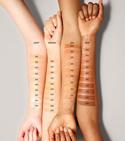 Digital technologies and applications, including social media, continue to shape new business models for cosmetic firms, challenging established brands to adapt to changing consumer behavior. There is a growing need for cosmetic brands to shift from a product-based to an experience-based model. L’Oréal, for instance, is using artificial intelligence to map out market trends and personalize its service for consumers while Elizabeth Arden partnered with YouCam Makeup app to let customers try products virtually using their phones' cameras. Other brands, like Fenty Beauty by pop star Rihanna, bank on the inclusivity of their products: Its ProFilter Foundation line aims to cater to every skin color with its 40 shades. Social media influencers also present opportunities for brands to reach out to new markets. In 2017, beauty-related YouTube videos recorded 88 billion views, a 60% increase from the preceding year. Consumers won’t accept a one-size-fits all approach from brands, which can leverage consumer data to offer a more targeted service. A recent Accenture Interactive study found that consumers prefer to buy online from retailers that know their previous purchases and can recommend products based on them.[Image Credit: © Kendo Holdings]

Bourjois' Magic Mirror May Turn Facebook Into A Shopping Experience
 British technology agency Holition is working on a new Facebook mobile app feature that will allow beauty enthusiasts to try on makeup products virtually with special camera filters. For this project, Holition will utilize the technology behind the magic mirror of French beauty brand Bourjois in its Paris flagship store. Bourjois's magic mirror uses 3D sensing smart camera technology to show shoppers how cosmetics would look like on their faces when they touch select a product in the store. The mirror can also suggest makeup products applicable to the shoppers’ skin tones. Holition plans to produce similar results with its Facebook filter which will take advantage of the social media app's AR mesh software. The filter will eventually be connected to Facebook's deep linking feature that will help users know where to buy the makeup products.[Image Credit: © Coty Inc]
Saks Fifth Avenue Uses Magic Mirrors To Attract Instore Customers
 As part of its efforts to lure buyers into its physical stores and compete with other retailers like Ulta and Sephora, Saks Fifth Avenue overhauled its beauty department and installed "magic mirrors”. Customers can opt to have the virtual look emailed to them. Magic mirrors are just one part of the store’s efforts to upgrade its beauty customer experience, which now includes a concierge to assist shoppers and space for treatment rooms and events, such as tutorials and presentations. A move to the second floor has allowed more space for the cosmetics department.[Image Credit: © Saks Fifth Avenue]
L’Oréal Acquires Tech Startup Modiface For Improves AI, AR Services
 L’Oréal has acquired its first technology startup, Modiface, for an undisclosed sum to help the group improve how it incorporates advanced technology into its brand offerings. Lubomira Rochet, L’Oréal’s chief digital officer, underscored the importance of global brands adapting to digital developments in order to survive but also said that L’Oréal’s strategy is to determine the most appropriate technologies for its brands and scale them across the group’s websites and stores, but in a way that works for local conditions. It is looking to develop technologies via a number of routes, including acquisitions; Station-F, a startup campus in France; and the Founders Factory, a digital accelerator based in London.[Image Credit: © L’Oréal]
Japan’s SK-II Opens Pop-Up Smart Store in Tokyo
 Japanese beauty brand SK-II has opened a pop-up store in Tokyo’s Hajuku district. The Future X Smart Store is an experiential concept outlet that uses artificial intelligence and face recognition. As they enter, visitors see digital art generated by their own face and body motions. The store has cubicles with smart mirrors that scan and analyze customers’ skin. A smart beauty wall upstairs recognizes the customer, presents the analysis, recommends products, and displays how they would look. This pop-up run through June 28.[Image Credit: © Procter & Gamble]
Coty Chooses Three AI Startups To Help It Improve Customer Experience
 Multinational beauty company Coty unveiled the three winners of its digital accelerator program and tasked the technology startups to help the group develop artificial intelligence tools that will drive “more seamless shopper experiences.” First-prize winner Nudest presented an algorithm that matches skin tone to products for personalized recommendations. Other winners included Skingenie’s skincare advisor, which analyzes the customer’s DNA and lifestyle using AI for product recommendations, and Glamtech’s solution that analyzes skin in real time, tracks performance and provides product recommendations. Each received cash prizes and will have access to a range of Coty support and resources. [Image Credit: © My Nudest, Inc.]
Blend-It-Yourself Beauty Brands Are Adopting AI To Drive Personalization
 More consumers are choosing personalized beauty products, and artificial intelligence is helping companies address this trend. Blend-it-yourself services, for example, provide customers with products tailored to meet their specific needs. Among the beauty brands using AI in this space to better understand their customers’ needs are Belle Bar, Prose, Skin Inc., and Function of Beauty. LOLI, launched in Spring 2018, also plans to use AI for its blend-it-yourself concept, allowing it to provide a more scalable solution.[Image Credit: © LOLI Beauty, Inc]
Lush Tests New AI App In Package-Free Store
 Cosmetics company Lush is testing its Lush Lens mobile application, developed in-house. The app uses combines AI and product recognition, allowing users to scan products and access information, such as ingredient lists, even without packaging. It is being tested at Lush’s first ever “Naked” and package-free store in Milan, where visitors can use the app on the store’s Fairphone devices. Lush plans to roll out the app worldwide. It will also be available for consumers to download on to their smartphones.[Image Credit: © Lush Cosmetics]

Wunder2 Partners With YouCam Makeup For Virtual Try-On Website Feature
 Wunder2 Cosmetics signed up YouCam Makeup to add a virtual try-on component to its website. The partnership covers the company’s color cosmetics ranges, but other products will be added later. The products can also be accessed through the YouCam Makeup application, allowing the app’s existing users to “try on” makeup looks and 25 items from the range. Wunder2 is also considering offering the service through its retail partners.[Image Credit: © www.wunder2.eu]
L’Oréal To Roll Out AR And Livestreaming Platform To All Of Its Brands
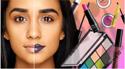 Beauty company L’Oréal unveiled a new service to be rolled out later this year for its NYX Professional brand. The digital beauty assistant uses augmented reality and livestreaming to bring a personalized makeup counter experience to consumers’ homes. The company plans to roll out the solution, based on its March 2018 Modiface acquisition, for all of its brands across 65 markets. L’Oréal chose NYX as the first brand to offer the service because it is a “very social brand, a pro brand and a retail brand,” according to L’Oréal’s chief digital officer, Lubomira Rochet.[Image Credit: © NYX Professional Makeup]
Subscription Service MoonBox Sells Beauty And Holistic Well-Being

MoonBox offers a subscription box service that includes beauty and personal care products that consumers can use depending on the lunar cycle. Company founders Paula Pavlova and Katie Huang believe there is an incredible potential market in the “growing intersection of holistic wellness and beauty”. For them, beauty and wellness are linked to an increase in demand for products that offer mental wellness in addition to the usual physical benefits.[Image Credit: © MoonBox]

Rituals Cosmetics Plans To Open Kings Cross Store In London
.jpg&width=125&height=35) Rituals Cosmetics plans to open a new store at London’s Kings Cross train station. Part of the beauty brand’s efforts to attract tourists, the store will offer customers with a “unique and immersive” shopping experience. According to the company, the store will embody the company’s holistic and well-being ethos.[Image Credit: © Rituals]
Rituals Cosmetics plans to open a new store at London’s Kings Cross train station. Part of the beauty brand’s efforts to attract tourists, the store will offer customers with a “unique and immersive” shopping experience. According to the company, the store will embody the company’s holistic and well-being ethos.[Image Credit: © Rituals]
Aesthetic Hydration Cosmetic Opens Shanghai Pop-Up Store, Marks Coming Into China Market
 South Korean skincare brand Aesthetic Hydration Cosmetic has unveiled a pop-up store in Shanghai, marketing the company’s official entry into China’s beauty care market. According to AHC, its cosmetics products are being sold at health and beauty stores across China, as well as in online shopping malls in the country. With the pop-up store offering customers the chance to experience the company’s leading products, AHC said it will target women in the country with its leading moisturizing products.[Image Credit: © CARVERKOREA]
Pharmacies Go Beyond Selling Medication, Transform Into Wellness Centers
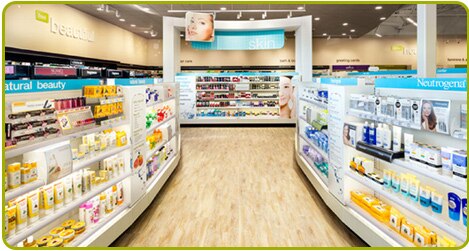
 Drugstores are expanding their lineups of products and services to address the shift in consumer concept of health and wellness. According to the 2017 report, “Well Economy,” by JWT Intelligence, 77 percent of respondents link health with physical condition; however, 75 percent say mental health comes to mind when they think of health. Also, only 17 percent of consumers seek out prescribed medication when they are ill. Casino Group partnered with L’Oreal in June 2018 to launch Le Drugstore Parisien in Paris where customers can avail themselves of personal care services, including light therapy, dry cleaning, and shoe shining. In August 2018, pharmacy chain CVS launched BeautyIRL, a retail concept designed to highlight the company’s locations as beauty destinations where customers can receive treatments, test products, and access information about new brands.[Image Credit: © CVS.com]
L’Oreal Paris Launches ModiFace-Enabled AR Try-On Tool
 L’Oreal Paris has launched the Try On, an augmented reality try-on tool powered by the ModiFace virtual technology. Requiring no other apps, the tool allows consumers to virtually try on more than 300 of the company’s beauty products, including blushes, eyeshadows, eyeliners, lipsticks, and lip liners. Available on LorealParisUSA.com, the Try On tool is easy to use, with users needing to follow only four steps.[Image Credit: © L’Oréal Paris]

China’s Millennials Fall In Love With Black Tech Beauty Products
 Skincare trends, referred to by industry observers as “black tech”, are becoming popular among millennial consumers in China. Three of the leading black-tech product categories are black-tech facial machines, with the ReFa Electronic Roller from Japan as a leading example; black-tech facial cleansers, such as those from Foreo; and black-tech massage boosters, including those from the SK-II brand. Facial rollers from ReFa accounted for 50 percent of the segment’s revenue in 2017, with more than $4 million worth of ReFa machines sold during the November 11 Singles Day shopping festival. Foreo’s facial cleanser became a social media favorite, with many celebrities posting themselves using the product. SK-II launched a massage booster in 2017, selling all of its 10,000 units during the company’s 2017 TMALL Super Brand Day event.[Image Credit: © ReFa USA]

Samsung Joins Estee Lauder To Host 2018 Style Dimension Fashion And Beauty Event
 Samsung and beauty giant The Estee Lauder Cos. Inc. joined forces to host the 2018 WWD x Samsung Style Dimension, an industry event highlighting the use of immersive technologies in creating consumer experiences. Held on September 6 and 7, the event also focused on industry trends involving the integration of beauty, fashion, and technology. Unlike its previous editions, the 2018 Style Dimension allowed those who attended the event to buy all the beauty brands on display and to interact with pop-up displays enabled by Samsung’s technologies.[Image Credit: © Estée Lauder Inc]
Natura Cosmeticos Proposes Takeover Of Struggling Avon Products
 Brazil-based beauty company Natura Cosmeticos SA has expressed its interest to acquire Avon Products Inc. With its market value having dropped to $900 million, the once powerful direct-sales beauty brand has gained the interest of other companies seeking to take over the company. For its part, Avon has been focused on turning its business around and resuscitating its shares.[Image Credit: © Natura International Inc.]
Macy’s Announces New Technologies For Better Customer Experience And Partnership With Facebook
 Macy’s revealed it is integrating new features, including virtual reality and augmented reality, to improve the experience of consumers shopping for furniture and beauty products. Also, the company said it will join forces with Facebook to bring almost 150 ecommerce brands to the retail chain’s The Market @ Macy’s retail platform. According to the retailer, the partnership will offer participating small businesses and ecommerce brands to take advantage of a Macy’s store environment during the holidays. During the Code Commerce On-Location Event in New York City, Macy’s will highlight several technologies, including virtual and augmented reality furniture shopping, augmented reality for beauty, beauty playground, and radio-frequency identification.[Image Credit: © macys.com]
Perfect365 Allows Users To Earn Kin Cryptocurrency When Using App
 Perfect365 has announced its integration of Kin, the cryptocurrency for consumer apps, allowing the company to become the only augmented reality beauty platform to offer built-in ways to transact using the cryptocurrency. Users of the Perfect365 app will be able to earn Kin within the app and use it to buy premium Perfect365 features. According to Perfect365, the move also aims to encourage women to use cryptocurrencies.[Image Credit: © Perfect365]
More...


Copyright 2026 Business360, Inc.